When I asked Jack Reichert why there were so many comedians now-a-days, he said it was simple. Divorce rates were higher. With couples falling out left and right, they’re looking for to find levity through their depression. I’m not sure if this correlation is totally true, but there is a type of truth in what he’s saying. Who doesn’t want to be the funny person? The person who can make everyone’s day a little better and, more importantly, get paid to do it. But not everyone is genuinely funny. And some of the people closest to being able to make a living off of it aren’t even sure it’s what they really want to do.
Jack said that if he was able to continue his career of swimming and be a professional athlete then he would do it in a heartbeat. To him, the actual end goal of being a pro athlete is much more straight-forward than that of a comedian. As he and I talked, I realized that’s much of the issue with comedians today. I found this was a common lament among my comedy friends. “What’s the thing that’s going to take off? How do you get seen?” And typically, at least for stand-ups, the person they want to be seen by a Netflix rep, in the hopes that they offer them a coveted stand-up special. But what about the comedy itself?
Jack does a lot of different things, but since college he has consistently made short form comedy videos. When I asked him what his end goal was, his answer surprised me. He said he would like to film a variety show in Houston. “Why Houston?” I asked.
“Things can pop up and grow. Communities can grow,” says Jack. His main frustration is how many creative spaces seem self-conscious about the fact that they are creative. But according to him, Houston doesn’t have that. “Inherently there’s an underlying bragging. There’s a dick measuring contest in so many places. No one’s measuring dicks in Houston…It’s magic to be grounded in reality at this point. You see cities that have completely untethered.”

I agree with him. Like so many, I moved to a bigger city to try to find more opportunities in my creative field. But also like so many people, I dreamed of being a “comedian” or a “filmmaker.” I often found myself daydreaming more about success than I did about the art that could potentially make me successful. I struggled with motivation. I asked myself, “Would I even do this if there was no one there to see it?” I soon developed a habit of never starting an idea if I started to dream about its success first. To me, if my full attention wasn’t on what I was doing, regardless if it succeeded or failed, it wasn’t going to be good.

“People desire the byproduct, not the act of creating,” Jack said insightfully. (He attempted three different times before he landed on the wording of that quote.) For Jack, it’s more about where he is and who he is doing comedy with. I think this is in large part why he has been finding so much success. He almost never says no to collaborating with people. But that doesn’t mean he necessarily wants to talk about his comedy life 24/7.

“I didn’t want to do the whole thing where it’s like, ‘I’m a comedian’…my ex-girlfriend’s dad, I told that guy I’m a journalist,” Jack states when I asked him about how he feels when he tells people he’s a comedian. “If I’m going out with some of my friends from college and they have their friends that I don’t know, I’m not going to get into comedy with them…I’m gonna feel like a dick for, you know, basically preventing any genuine connection.”
When we present ourselves as the title or “byproduct” we want to be seen as, it tarnishes sincerity not only our art, but our relationships.

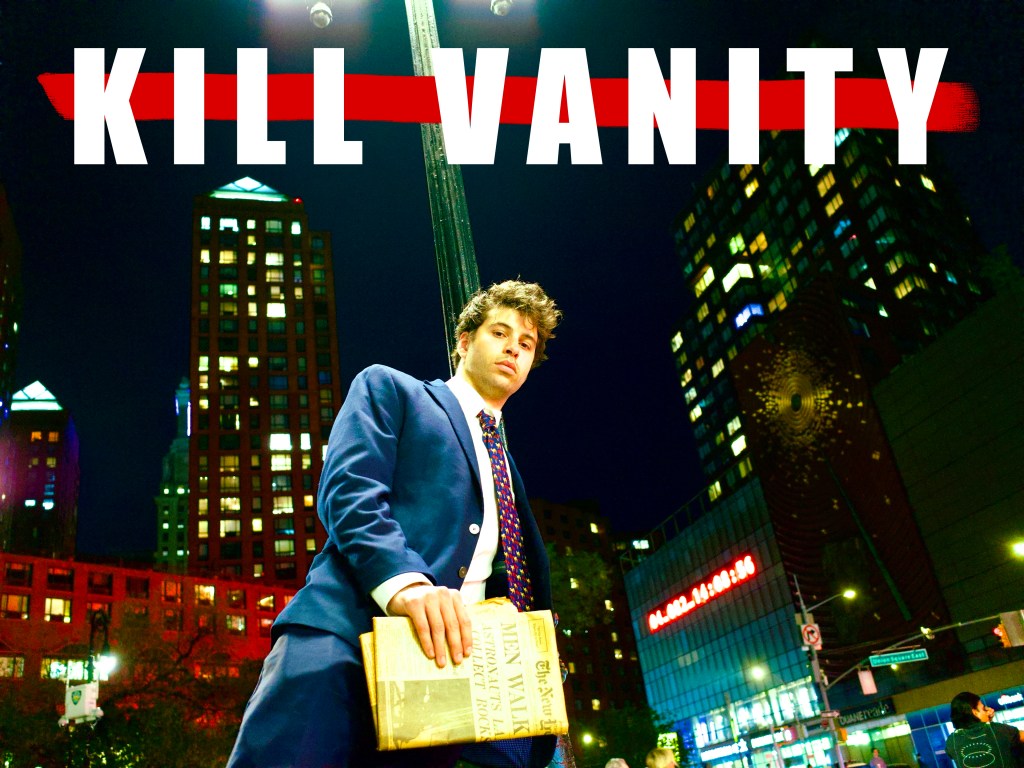
 Kill Vanity
Leave a comment