an interview with the crew of “Seeds We Bury”
It’s often said that someone is only truly dead when they are forgotten. When future generations no longer carry the memories of the past and present, the libraries of people’s knowledge and lived experience fade into a sort of obscurity, their impact felt only in the echoes of their actions. Keeping the dead alive is a difficult task; keeping a culture alive is a necessary one. This weight is felt most by those afflicted by on-going atrocities, particularly in Indigenous Peoples around the world. The task of keeping narratives alive in these groups can be daunting due to lack of resources, a lack of recognition from other communities, and still to this day, continued versions of colonization and relocation. I sat down this past Saturday to talk to a crew from Pinctada Pearl Productions who took this task head on.
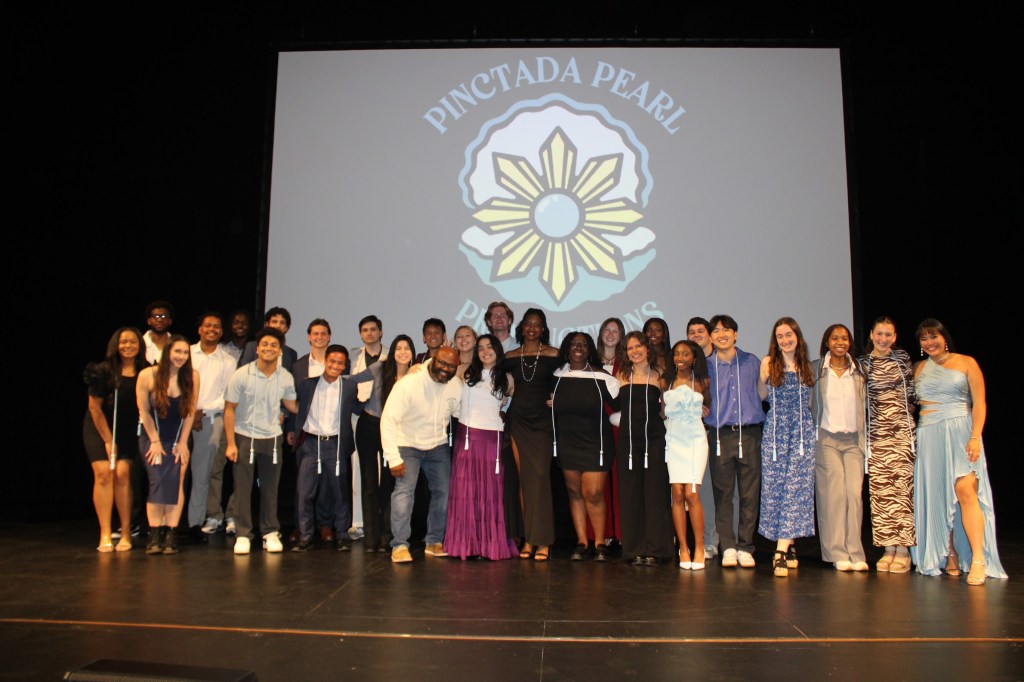
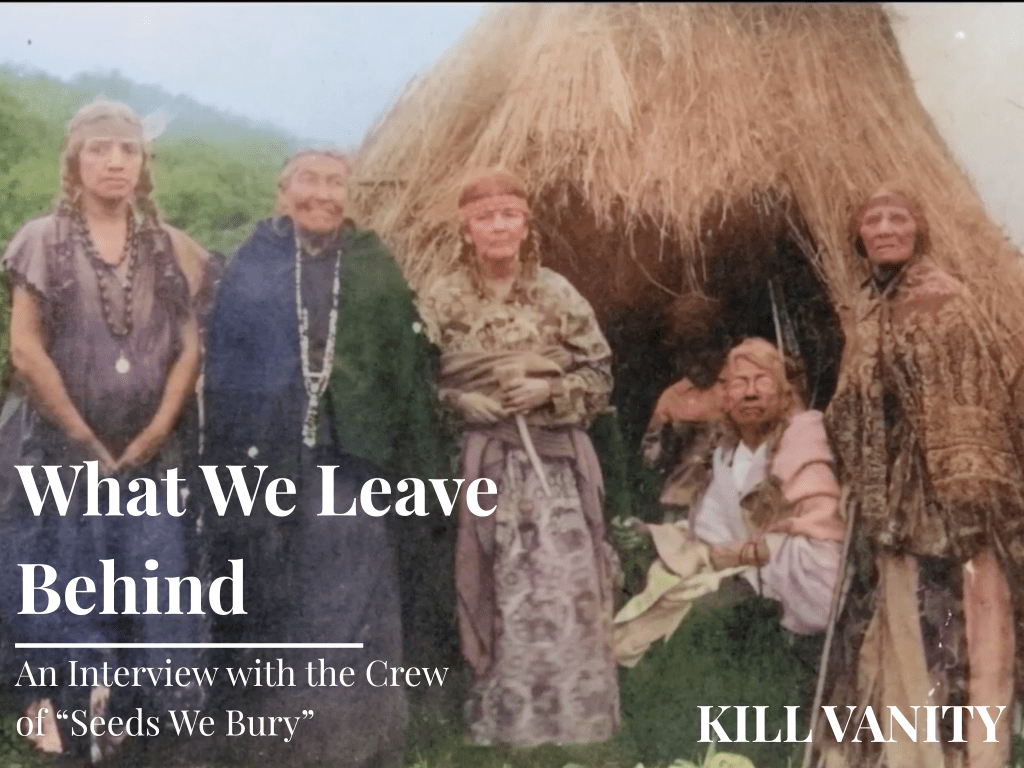
Pinctada Pearl Productions is unique in that it’s a student-run production company based out of Villanova University with a focus on making documentary films that give back to communities around the world. It’s a rare program that allows students of all experience levels to dive head first into documentary filmmaking and travel the world to capture the stories of communities that face injustices in various forms. I spoke with Co-Director Olivia Hansen, Co-Director of Photography Natalie Zickel, Writer Dani Ortiz, Producer Meg Martin and Sound Operator Noel B. Doherty, about their critically acclaimed documentary short, “Seeds We Bury,” to learn more about the importance of preserving the memories, dignities, and cultures of Indigenous Peoples. The film, recently nominated for a Student Oscar, follows “the multigenerational battle of the Ati Tribe of the Philippines and the Shinnecock Nation of the United States as their journeys, separated by oceans, yet united in the preservation of land, people and culture, become a testament to survival, a tribute to heritage, and the hope for justice.” I got a chance to have an earlier screening of the film and was blown away by the production value of this student-led film. I was even more impressed when I learned that most of the crew (directors included) were first-time documentary filmmakers. I could write a whole separate blog post on the fantastic work coming out of Pinctada Pearl Productions, but that’s a topic for another day.
“Everything that we were told, and the way Indigenous Peoples are talked about in a past tense, we wanted to show it’s not just happening across the world, it’s not just happening years ago. It’s happening right now.” – Olivia Hansen, Co-Director
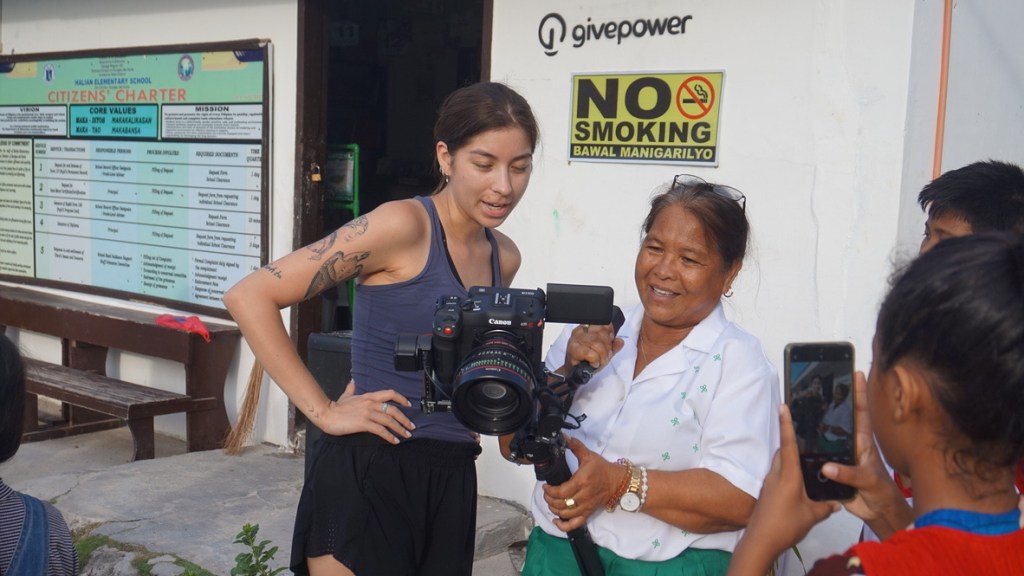
The most interesting part of what Olivia and Soledad Robins (the other director) were able to pull off was this incredible juxtaposition between the Shinnecock Nation and the Ati Tribe. It highlights a disturbing trend, not just in American history, but in global history, where colonization takes new forms each generation. It’s easy to think that the days of pilgrims coming to “new” lands and decimating Indigenous Peoples are something of the past; however, that couldn’t be further from the truth. It’s a problem that persists to this day. The only thing that’s changed is the language and tactics of displacing peoples from their homes. Olivia and the team are able to bring this trend into sharp clarity by relating the ongoing struggles Shinnecock Nation face to what the Ati Tribe is currently going through. The Ati Tribe, located in the Visayas region of the Philippines, is currently the victim of constant displacement, antagonization, and harassment from the government. It’s not an exaggeration to say that the loss of their land is leading to the loss of their language, their culture, their whole way of life. And it’s not a stretch to make this comparison between the continual battles over their land that the Shinnecock Nation still faces today in the United States. Both communities are juxtaposed to the lavish lives of their rich neighbors (the Shinnecock Nation is located in the Hamptons) , and face a constant battle to have their rights and needs met over the rich and wealthy.
“They’re always trying to be better for generations to come.” – Dani Ortiz
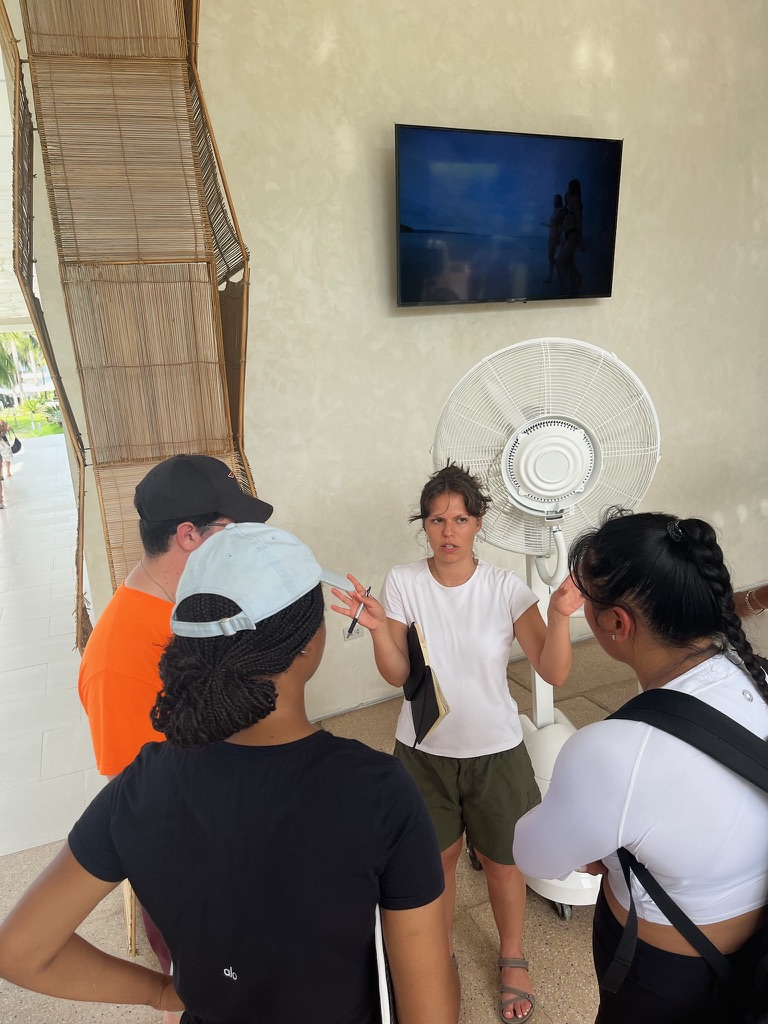
If battling for resources and land wasn’t bad enough, the battle for the memories adds to the list of challenges. It’s the part about this documentary that haunts me the most. Chenae Bullock, a Shinnecock Cultural Activist in the documentary states, “Memory is one of the most sought things to genocide today. So if we can erase the memory from the people, they’ll never remember that they’re actually Shinnecock. They’ll never remember that they have a responsibility to protect this land.’” It’s this dismantling of the narrative that nations and groups of people take to erase the guilt and tragedy of their crimes. Who cares about the Shinnecock Nation or the Ati Tribe if no one, including their peoples, remembers? But as seen in the documentary, they find strength in their communities and new avenues to keep their culture alive through social media. Autumn Coard, a young Shinnecock woman who worked on this film, helps take the reins from the narrative of American history and colonization history by showcasing that the tragedies never stopped. But “Seeds We Bury” also brings to light the hope and resilience for a better future by investing in the present. Olivia shared with me a sentiment she learned from filming that is shared by most Indigenous tribes in America. It’s the idea of thinking seven generations ahead. What’s the work that the current generation can accomplish to ensure the children in seven generations are successful? It’s this long-term thinking and the care for people we will never know that is refreshing and sobering compared to the individualistic tendencies in current society.
“It just takes empathy and it takes care to understand and learn these stories.” – Natalie Zickel, Co-Director of Photography
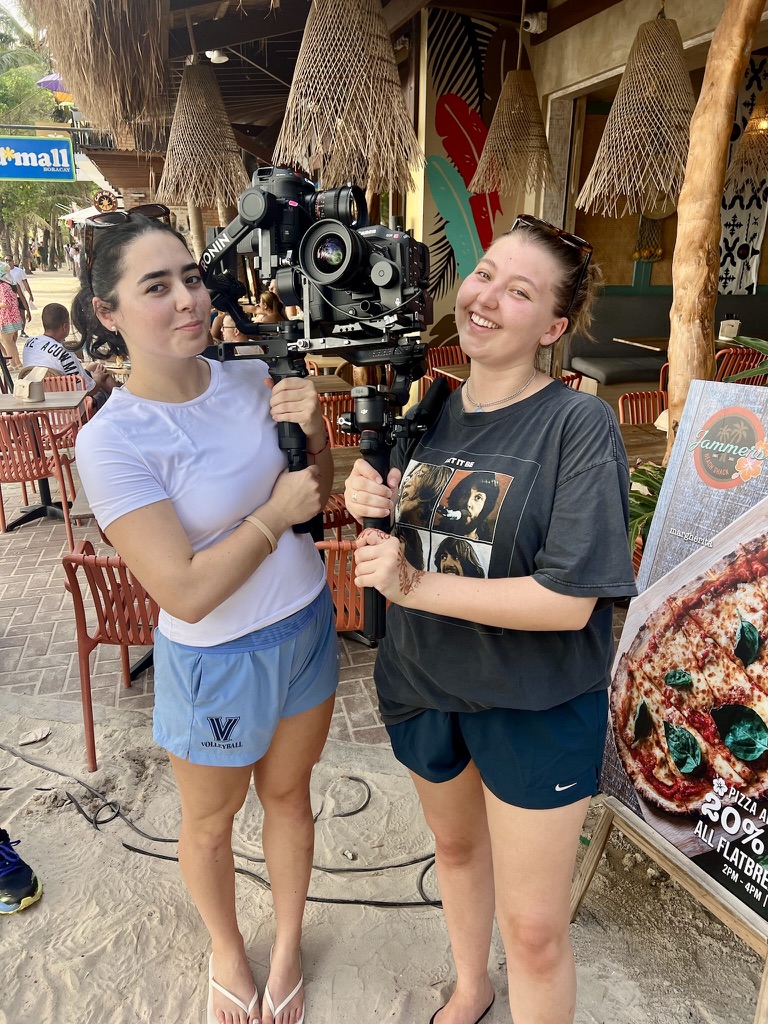
The “Seeds We Bury” crew has done a phenomenal job in creating a documentary that is part of an ongoing legacy of fleshing out misrepresented narratives, exposing mistakes still repeated today, and carving a new path into the future. It’s talent and intelligence from young filmmakers like these that can help rewrite our understanding of the treatment of Indigenous Peoples. I can’t wait to see where the film continues to go after the Student Oscars and the impact it’s able to have on the Shinnecock Nation and Ati Tribe, even if at the very least it’s the validation of having their experience shared and heard.
“With all the late nights editing, thinking about the Ati and Shinnecock communities that we were talking about and the impact that we would have on them pushed me to keep going.” – Daniel Kee, Co-Director of Photography
If you would like to donate to the Ati Tribe’s Livelihood Project, learn more on their GoFundMe.
 Kill Vanity
Leave a comment